10 Common Myths About Cats Debunked

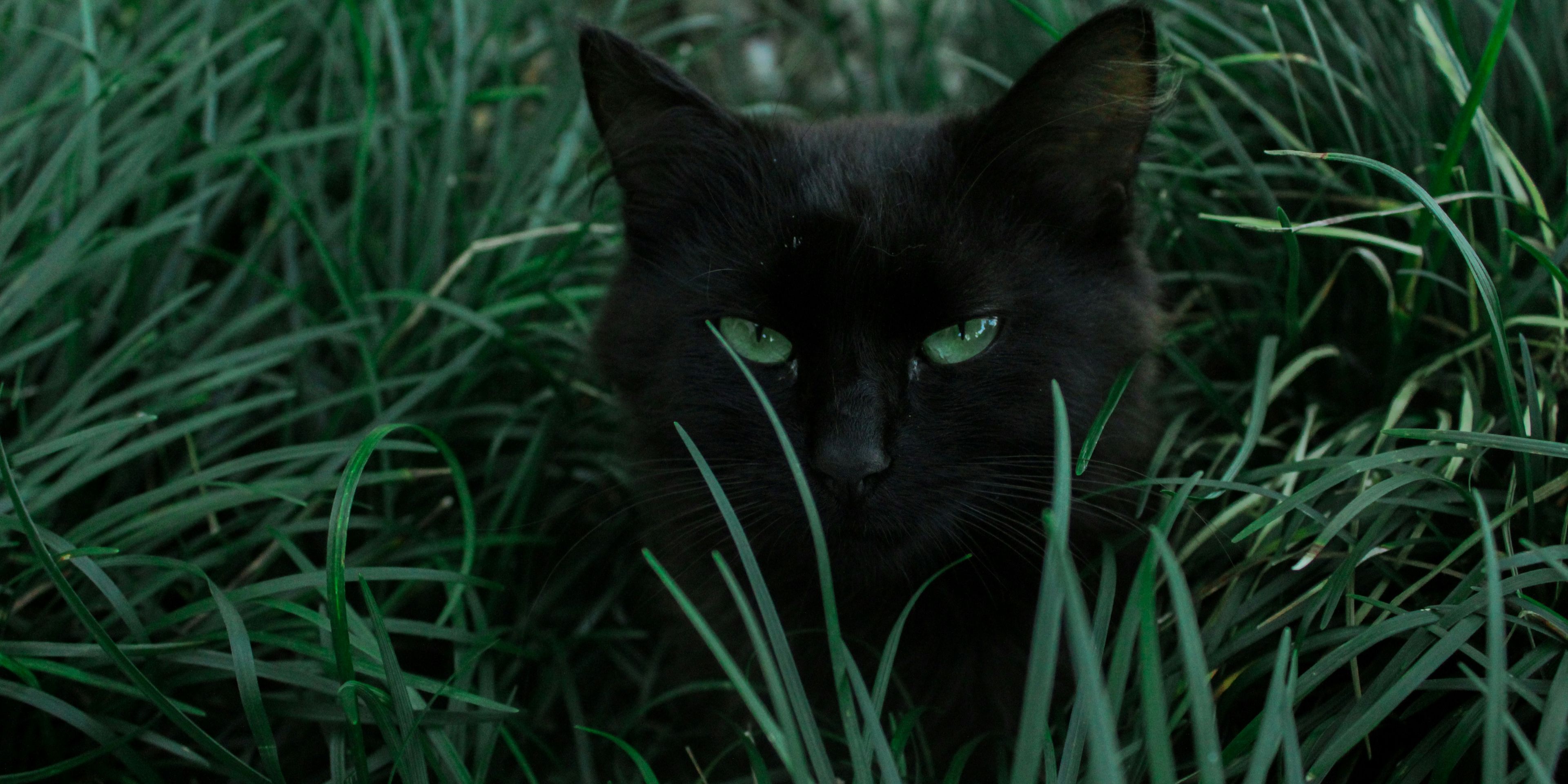
Many people think that cats are aloof and solitary by nature, but these are just misconceptions. This post will explore and debunk popular myths about cats, shedding light on their true nature.
Cats have long been surrounded by myths and misconceptions, which have led to them being misunderstood. One of the most common myths is that cats are aloof and do not form strong bonds with their owners. Unlike dogs, who are known for their enthusiastic displays of affection, cats show love in subtler ways. They may rub against your legs, purr, or even follow you from room to room. These actions indicate that they are comfortable and happy in your presence, and that they see you as part of their family.
Another prevalent myth is that cats are entirely independent and do not need human interaction. While cats are certainly more independent than dogs, they still require attention and affection from their owners. Cats can become lonely if left alone for extended periods, and they thrive on regular interaction with their human companions. Playing with your cat, petting them, and spending quality time together can help foster a strong bond and prevent them from becoming bored or stressed.
The myth of cats having "nine lives" is another widely believed misconception. This saying likely originated from cats' impressive agility and their ability to survive dangerous situations, such as falls from great heights. Cats have a remarkable righting reflex that allows them to twist their bodies in mid-air and land on their feet, which has contributed to the belief that they have multiple lives. However, this does not mean that cats are invincible. They are still susceptible to injuries and illnesses, just like any other animal, and they require proper care and attention to ensure their well-being.
A common myth that many people believe is that cats hate water. While it is true that many cats dislike getting wet, there are exceptions to this rule. Some cat breeds, such as the Turkish Van, are known for their love of water and even enjoy swimming. The aversion to water in most cats may stem from their ancestors, who lived in arid environments where swimming was not a necessary skill. Additionally, a cat's fur can become waterlogged, making it difficult for them to regulate their body temperature. Understanding these factors can help explain why many cats prefer to stay dry, but it is important to remember that not all cats feel the same way about water.
Another myth is that cats are nocturnal animals. In reality, cats are crepuscular, which means they are most active during dawn and dusk. This behavior is a result of their wild ancestors, who would hunt during these times to take advantage of low light conditions and catch prey. Domestic cats may adapt their schedules to match their owners' routines, but their natural instinct is to be active during the early morning and late evening hours. Providing your cat with activities and toys that cater to their natural hunting instincts can help keep them engaged and happy.
Many people also believe that cats cannot be trained, but this is far from the truth. While cats may not be as eager to please as dogs, they can still learn tricks, commands, and even use a litter box with the right approach. Positive reinforcement is key when training a cat. Rewarding them with treats, praise, or playtime when they perform a desired behavior can encourage them to repeat that action. Cats are intelligent creatures, and with patience and consistency, they can learn a variety of skills, from using a scratching post to performing simple tricks like high-fives.
Lastly, there is a myth that cats are not affectionate animals. This misconception likely arises from the fact that cats show affection differently than dogs. While a dog may wag its tail or jump up to greet you, a cat may express love through more subtle gestures, such as slow blinking, head-butting, or kneading. These behaviors are signs of trust and affection, and understanding them can help you recognize the deep bond that can exist between a cat and its owner.
Debunking these myths is important because it helps us better understand our feline companions and provide them with the care they need. Cats are unique, complex creatures with their own personalities, and they deserve to be appreciated for who they are. By dispelling these misconceptions, we can create a more accurate picture of what it means to share our lives with a cat and build stronger, more fulfilling relationships with our pets.
- Myth: Cats are aloof.
- Truth: Cats express love in unique ways like rubbing against your legs or purring.
- Myth - Cats have nine lives.
- Truth - They have amazing agility, but they aren’t invincible.